
Staff Report on Mission Service Work Camp 2026 in Cambodia
Please read the staff report on the Mission Service Work Camp held from August 10 to 18, 2026.
Dates: August 10–18, 2026
Location: Phnom Penh, Cambodia
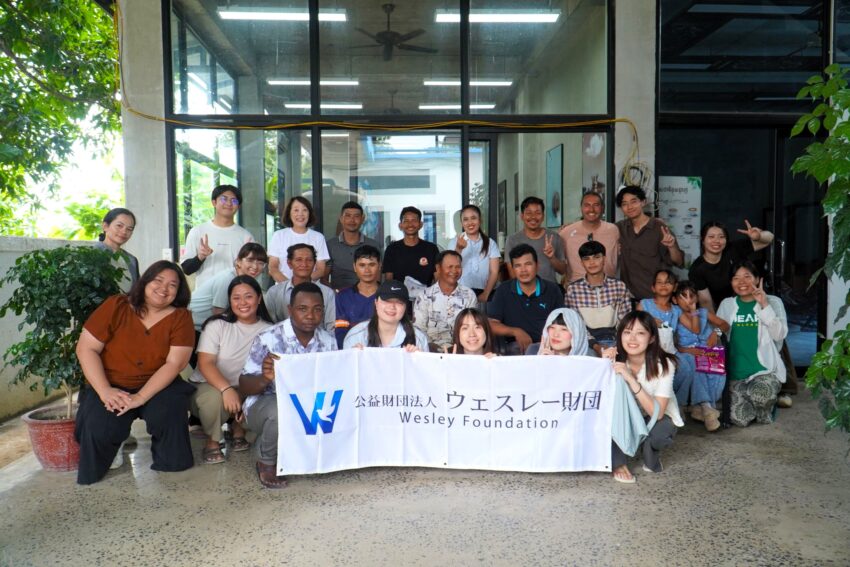
The Mission Service Work Camp was held in Phnom Penh, Cambodia, from August 10 to 18, 2026. Fourteen young people from Japan, the Philippines, South Korea, and Kenya participated in the program.
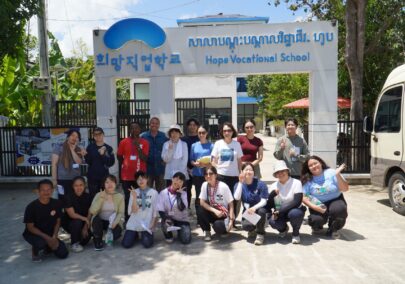
As in last year’s camp, the participants worked on construction at Hope Vocational School. They also learned about mission activities addressing social issues in Cambodia and had opportunities to interact with local students and children.
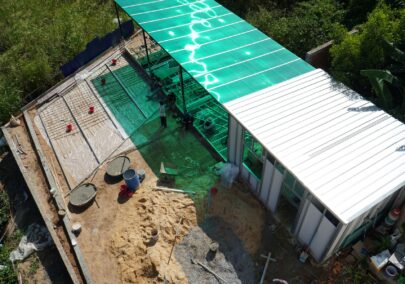
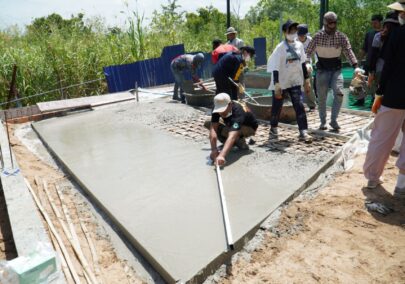
Hope Vocational School is a vocational training school for young people in Cambodia. The school offers classes in English, Korean, and computer skills to young people with a variety of needs, from students to working adults. Wesley Zaidan supports the school’s educational activities as part of its global partnership project. A deck is currently being built behind the school building. During last year’s camp, the participants worked on leveling the site. This year, they worked on laying concrete over the area.
Day 1
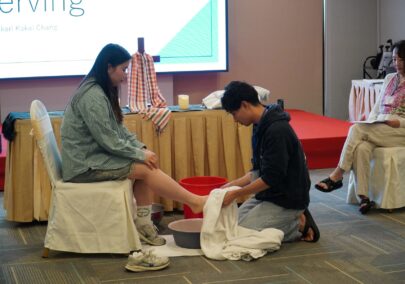
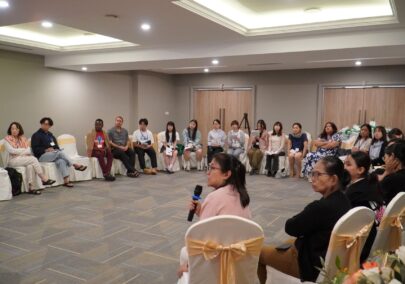
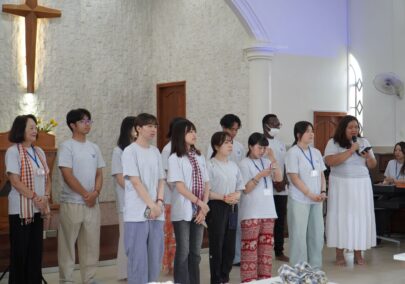
On the first day, we had an opening worship service and orientation. During the worship service, we listened a message on the theme “What is Serving?” and washed one another’s feet, following the biblical story of Jesus washing his disciples’ feet. During the orientation, the Cambodian staff gave each participant a traditional handwoven cloth called a krama. Through learning about the krama, which is deeply rooted in the daily lives of Cambodian people, we learned about Cambodian culture.
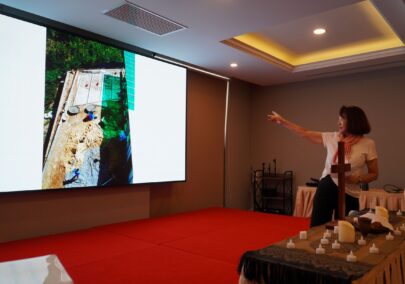
In the afternoon, Helen, Country Director of the United Methodist Mission Office, introduced us to the mission activities being carried out in different parts of Cambodia. We then learned from Patrick, a missionary and Co-Director of Project ARK, about the work of Project ARK and the human trafficking in Cambodia. Human trafficking continues to be a serious issue in Cambodia due to factors such as economic hardship, limited access to education, and social circumstances that force young people to work without receiving sufficient education. It is also difficult for victims to escape from trafficking. Project ARK provides men who have experienced human trafficking with opportunities to learn construction skills and supports them in becoming self-reliant.
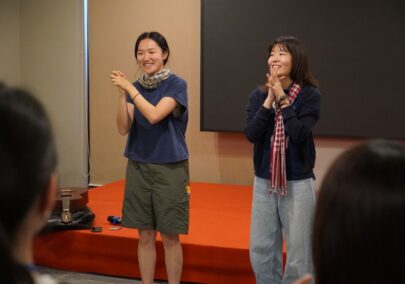
In the evening, we prepared songs, dances, origami, and other activities for the cultural exchange opportunities planned during the camp.
Each day’s program ended with a time of “Reflection.” Each participant looked back on the day’s experiences and shared what they had learned and noticed.
Day 2
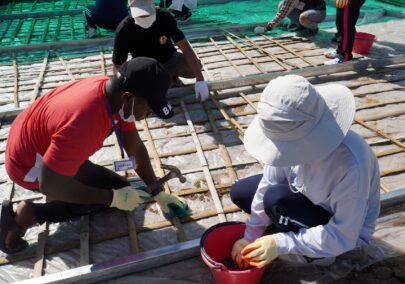
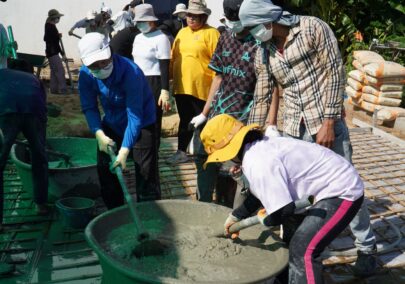
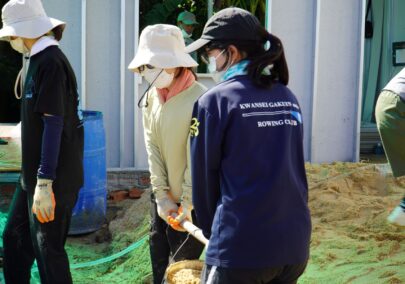
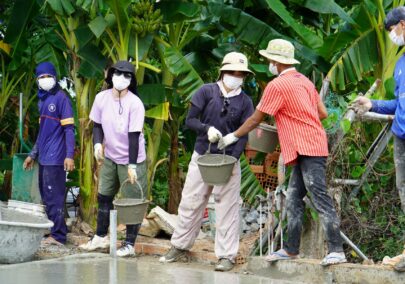
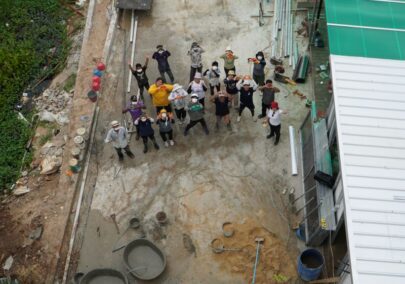
On the second day, we began our work at Hope Vocational School. First, we built a bamboo reinforcement framework and secured it with nails. We then mixed cement, water, sand, and gravel to make concrete and poured it into the prepared forms. With guidance from the local crew, the participants took on different roles and worked together.
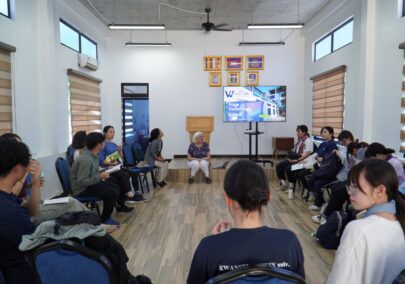
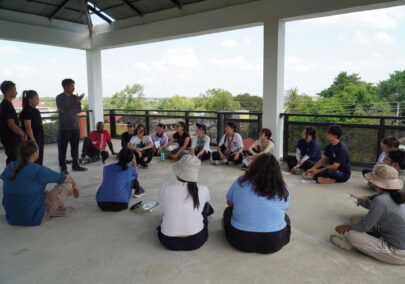
In the afternoon, we learned about the history and current work of Hope Vocational School, which was transformed from a closed “church” into a “school” with a new mission and has now become a place where young people can learn and develop new skills.
We also heard the life stories of participants in the Project ARK. They shared how learning construction skills and finding stable employment had changed their lives. Through their stories, we were reminded of how education and skills training can support young people in becoming self-reliant and give them the opportunity to build a better future.
Day 3
On the third day, we continued our work at Hope Vocational School in the morning. The local crew played Cambodian music while the participants from Japan played Japanese music. We enjoyed each other’s music and encouraged one another as we worked.
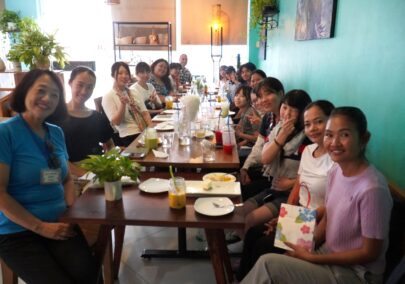
In the afternoon, we visited Jars of Clay Cafe, which was established by a British missionary. The cafe provides employment opportunities for Cambodian women facing various challenges, including economic hardship, limited access to education and employment opportunities due to gender inequality, and family difficulties. In addition to providing opportunities for the women to develop cooking skills, the cafe encourages and supports them in regaining their dignity and building more independent lives.
Day 4
On the fourth day, we continued our work in the morning. The participants became more comfortable working together with the local crew, and there were more opportunities to communicate with them in Khmer and English.
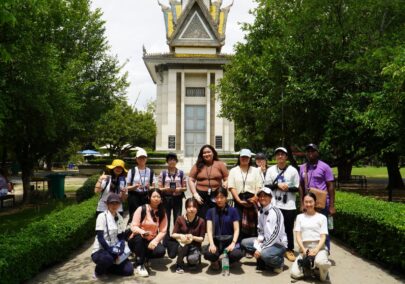
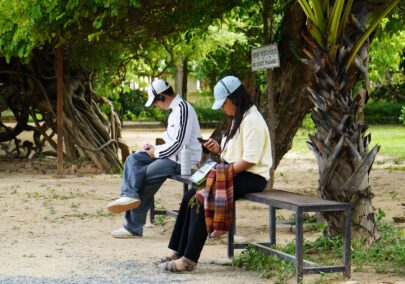
In the afternoon, we visited the Killing Fields, where mass killings took place under the Khmer Rouge regime. We learned about the tragic history of Cambodia and reflected on the events that took place at that time and the many lives that were lost, keeping in mind the question, “Where is God?”, which was the theme of the day’s message. It was also an opportunity to think about peace and reflect on the suffering caused by wars and conflicts, which continues not only as part of Cambodia’s past but also in many parts of the world today.
Day 5
The fifth day was the final day of our work at Hope Vocational School. We expressed our gratitude to the local crew who had guided us throughout the four days of work, and shared lunch together, enjoying a time of fellowship.
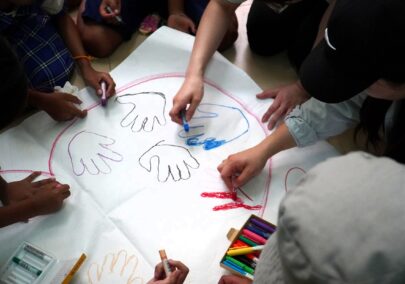
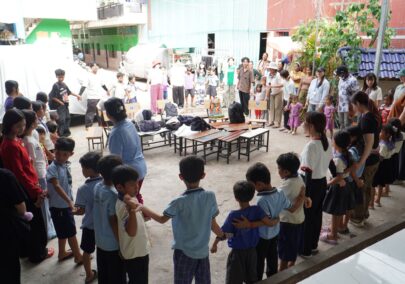
In the afternoon, we visited the Cambodian Students and Children Fund Organization (Street Children Ministries). We spent time with the children through art activities, balloon games, singing, and dancing. Through these interactions, we had an opportunity to learn about an organization that supports children in Cambodia.
Day 6
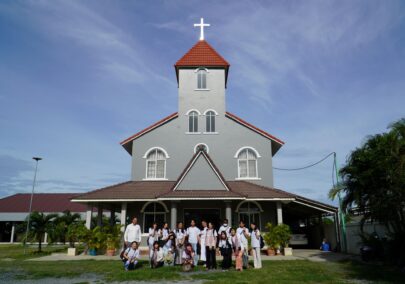
On Sunday, the sixth day, we attended worship service at Wesley Methodist Church, where the participants sang a worship song during the service.
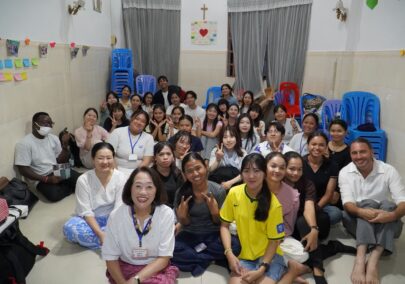
In the afternoon, we visited Susanna Wesley Dormitory, one of the ministries of the United Methodist Mission Office. The dormitory provides housing for female university students from rural areas who attend universities in Phnom Penh. We also learned about the Shine Project, which provides vocational training for young women who have not had the opportunity to pursue further education due to financial difficulties and other circumstances, as well as for single mothers.
Afterwards, we spent time with the students living at the dormitory. We exchanged bookmarks featuring our favorite Bible verses and shared dinner.
Day 7
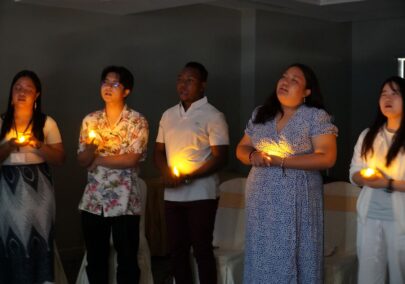
The final day began with a closing worship service. Each participant reflected on what they had learned and the insights they had gained through the camp. It was a time for the participants to affirm their commitment to carry these experiences with them and live as “the light of the world” in their own communities.
After the service, the participants gave message cards to the Cambodian staff who had supported them throughout the camp and expressed their gratitude. After the closing program, the participants began their journey home, bringing the entire camp program to a close.
As was the case last year, this year’s Mission Service Work Camp welcomed participants from outside Japan and provided participants with opportunities to learn about various mission activities and social issues. We are also grateful for the opportunity to continue supporting the mission activities at Hope Vocational School. Above all, we would like to express our sincere gratitude to the local staff for warmly welcoming us once again.
Wesley Zaidan will continue to organize Mission Service Work Camps that provide opportunities for young people from different countries and regions to learn together and interact with one another.
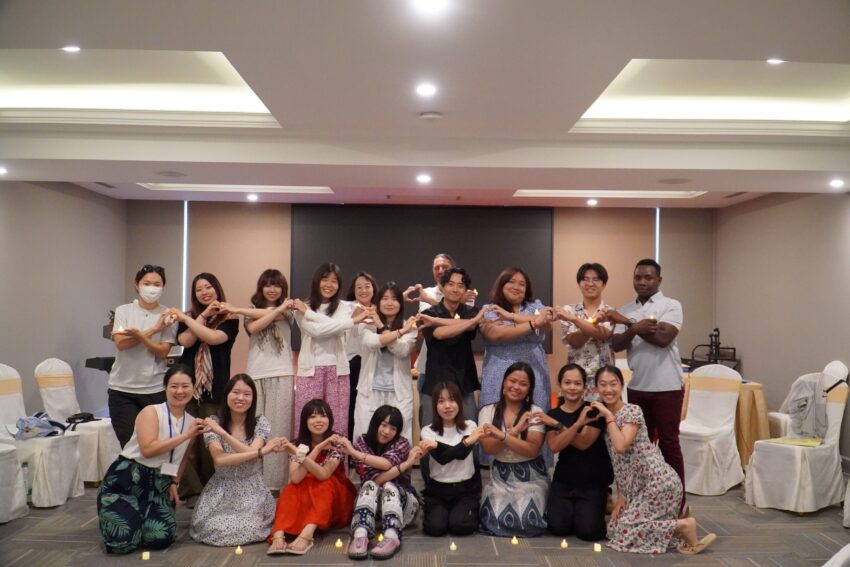
Reflection of Participants:
The biggest change in me was the way I understand the word “serving.” I often thought that serving meant doing something for someone. Now, I think it means willingly walking alongside others and allowing God to work through me. We could share God’s love not only through words but through our willingness to serve and care for others.
(26-year-old woman)
It hit me deeply that the way I live my life might be the only “Bible” some people will ever read. If that is true, then my faith cannot only exist in words. It has to be visible in the way I treat people, the way I respond to injustice, and the way I choose to live with others. I want to become more intentional in using whatever privilege or position I have to stand with those whose voices are often ignored.
(22-year-old woman)